
Hyperbaric Chamber: How It Supports Recovery and Wellness
Step into a hyperbaric chamber and you’re enveloped by pure oxygen under controlled pressure. This simple shift in environment jumpstarts your body’s natural repair cycles. Whether you’re a competitive athlete pushing your limits, a biohacker chasing marginal gains, or someone craving more restorative sleep, hyperbaric therapy can make a real difference.
Explore more at the MedEq Wellness Journal
How Hyperbaric Chamber Therapy Speeds Recovery
It feels like slipping into an oxygen cocoon. As pressure climbs, more oxygen dissolves into your blood plasma, delivering a supercharged dose to every cell.
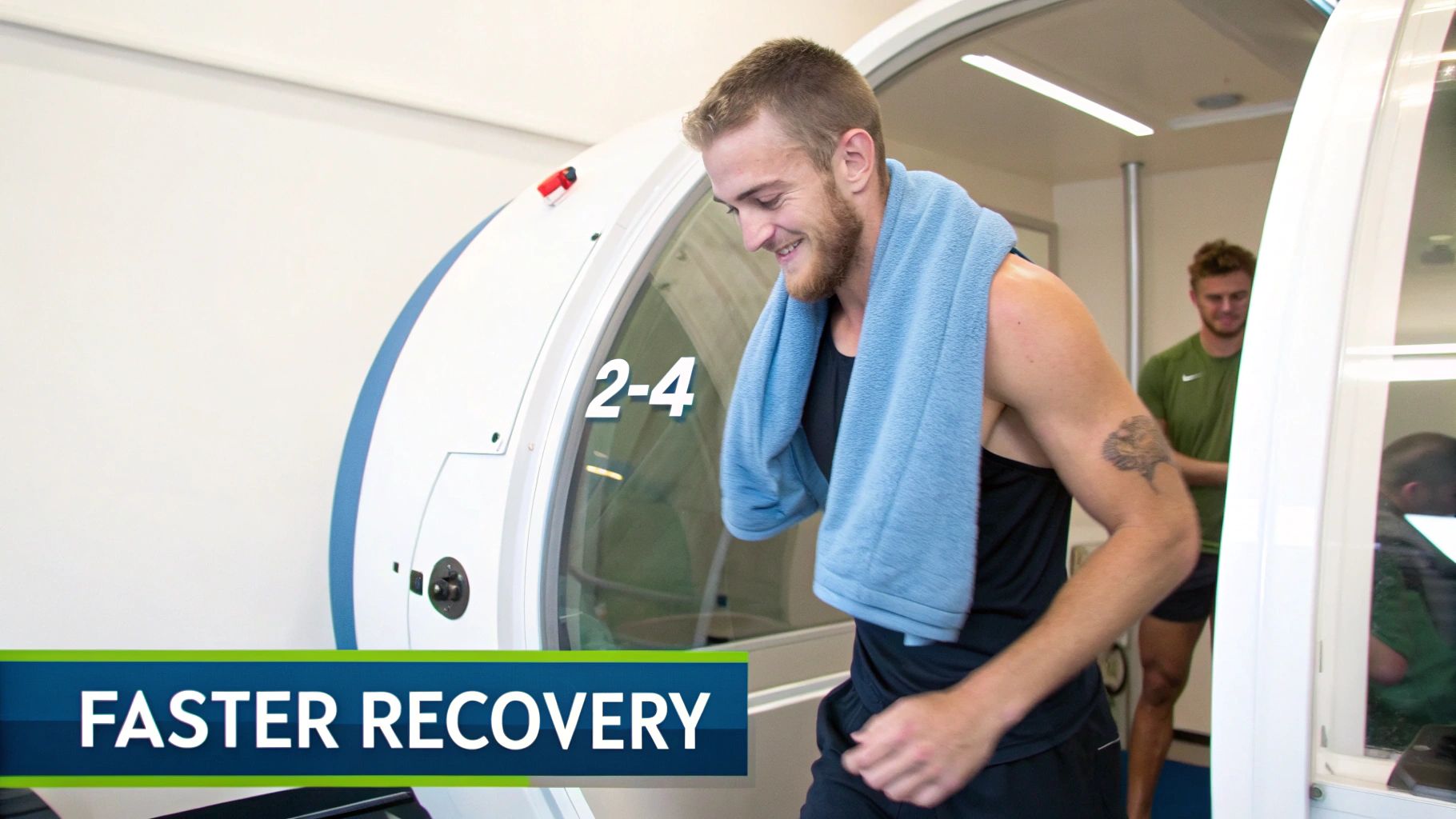
- Speeds Muscle Repair: Studies show soreness can drop by 40%, helping you hit your next workout sooner.
- Lactate Clearance Boost: Enhanced oxygen flow aids faster removal of metabolic waste post-exercise.
- Improves Sleep Patterns: Enhanced tissue repair supports deeper, more restorative rest.
- Accelerates Injury Healing: Extra oxygen fuels new blood vessel growth and calms inflammation.
Most sessions last 60–90 minutes, with chamber pressure dialed in between 1.5 and 2.0 ATA based on your recovery goals.
"After a week of sessions, my heart rate variability improved by 15%," shares one professional cyclist.
That targeted oxygen surge doesn’t just aid muscle repair—it also sharpens mental clarity and lifts brain fog. Picture a trail runner bogged down by fatigue; after a handful of sessions, they emerge energized, eager to tackle the next uphill challenge.
Believe it or not, this concept traces back to 1662 when the first pressurized ‘domicilium’ experiments laid the groundwork for modern chambers. Explore its evolution through a detailed timeline.
Who Uses Hyperbaric Chambers
From pro athletes chasing marginal gains to weekend warriors nursing microtears—or even individuals managing chronic pain—hyperbaric therapy adapts to your unique recovery needs.
If you’re curious about weaving hyperbaric sessions into your routine, dive into the in-depth guides at the MedEq Wellness Journal.
Key Session Guidelines
- Pressure Setting: Begin around 1.5 ATA, then incrementally increase up to 2.0 ATA as you acclimate.
- Weekly Frequency: Aim for 3–5 sessions per week to maximize benefits.
- Session Duration: Keep each visit between 60–90 minutes—long enough to work, short enough to stay safe.
Whether you’re developing protocols for elite sports teams, clinic professionals, or a home setup, hyperbaric therapy can be customized to fit your space and goals. Ready to unlock faster recovery and deeper rest? Your next breakthrough might be one session away.
How Hyperbaric Therapy Works
Picture shaking a soda can, then popping the lid and watching the fizz escape. That same principle—Henry’s Law—is at play inside a hyperbaric chamber. As pressure climbs, more oxygen dissolves into your blood plasma.
“Increasing pressure drives oxygen deeper into tissues, boosting cellular repair by up to tenfold,” says Dr. Miller.
Inside the chamber, you breathe 96% oxygen at 1.5–3.0 ATA, which greatly increases oxygen solubility. Your muscles, organs and even tiny wounds get flooded with healing gas.
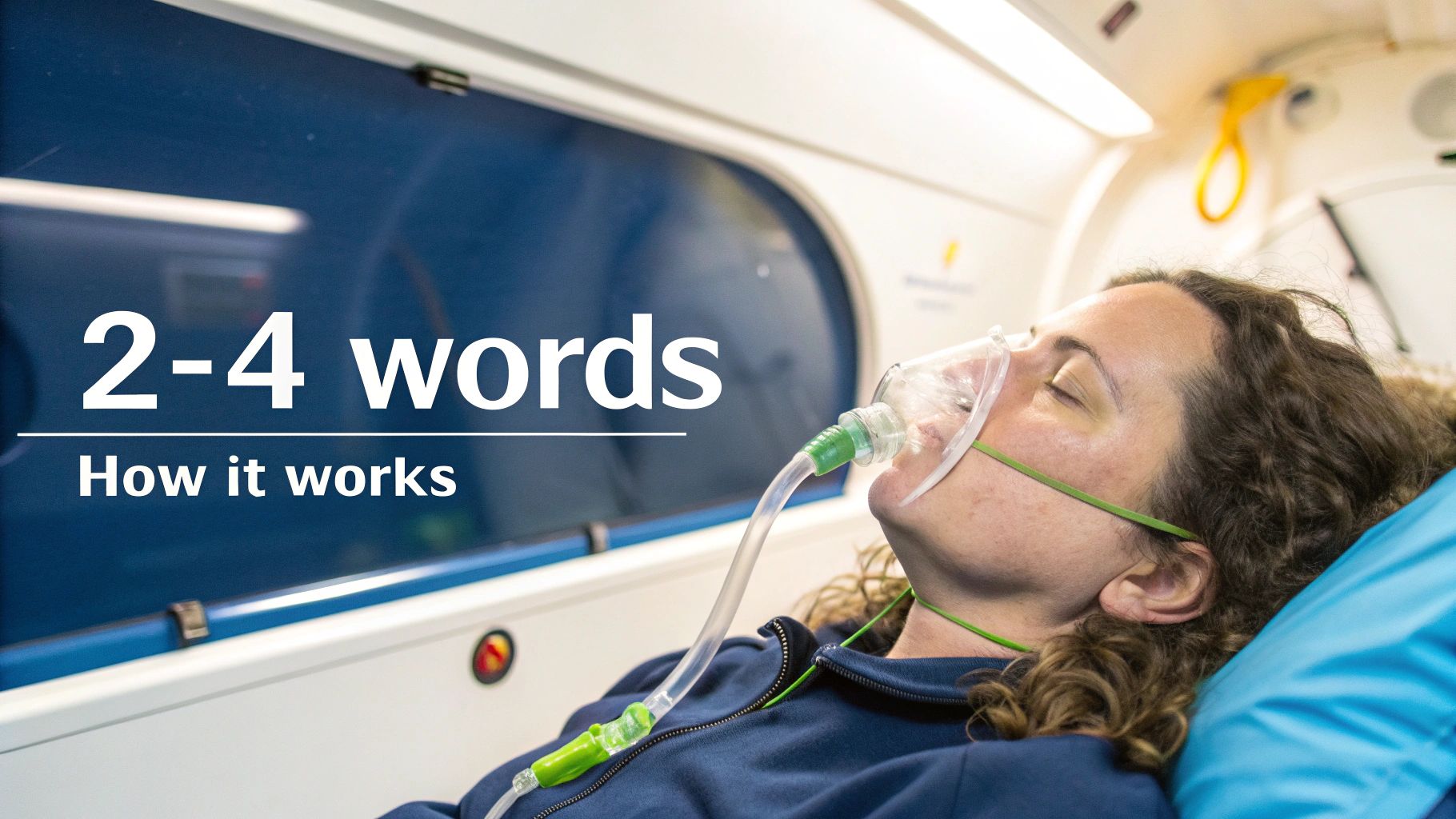
The result? A surge in cellular repair, inflammation dialed down, less post-workout soreness and a noticeable boost in energy.
Mechanism Of Oxygen Transfer
- Increased Atmospheric Pressure
- Plasma Dissolution
- Tissue Diffusion
These steps also trigger angiogenesis—new capillaries form around injured tissue, speeding nutrient delivery and waste removal. Plus, hyperbaric sessions nudge stem cells out of bone marrow, lending a hand in tissue regeneration and immune balance.
Why Pressure Levels Matter
Every 0.1 ATA boost nets roughly 10% more dissolved oxygen. Yet, pushing too far ups the risk of oxygen toxicity.
- 1.5 ATA (Lower Pressure): Gentle sessions for wellness and general recovery.
- 2.0–3.0 ATA (Higher Pressure): Designed for deep tissue repair, chronic wounds or serious injuries.
A carefully controlled ramp-up, timed oxygen breaks and gradual decompression keep each session both safe and effective. Clinical studies report 15–20% improvements in heart rate variability (HRV), a key marker for parasympathetic tone and quality sleep.
Chamber Types And Session Impact
Monoplace units look like a long, pressurizable tube built for one user. Multiplace systems resemble roomy steel suites, accommodating several people at once.
Pressure setting and session length drive specific outcomes:
| Pressure Level | Typical Use |
|---|---|
| 1.5 ATA | Everyday wellness, mild recovery |
| 2.0 ATA | Muscle repair, acute injury healing |
| 2.5–3.0 ATA | Chronic or severe conditions |
Session Phases And Controls
- Pressurization (10–15 minutes)
- Constant oxygen exposure (45–60 minutes)
- Decompression (10–15 minutes)
Case Study Of Athletic Recovery
An endurance runner shared a 30% faster recovery after ten 2.0 ATA sessions. Here’s how progress unfolded:
- Sessions 1–3: Light recovery, slight fatigue relief.
- Sessions 4–7: Noticeable drop in inflammation and stiffness.
- Sessions 8–10: Full range of motion returned, energy levels surged.
Learn more about advanced benefits of hyperbaric chamber therapy in our article on hyperbaric oxygen therapy.
Types Of Hyperbaric Chambers
Choosing between a soft hyperbaric chamber and a hard hyperbaric chamber is a bit like deciding whether you need a pop-up camping tent or a steel pressure cooker.
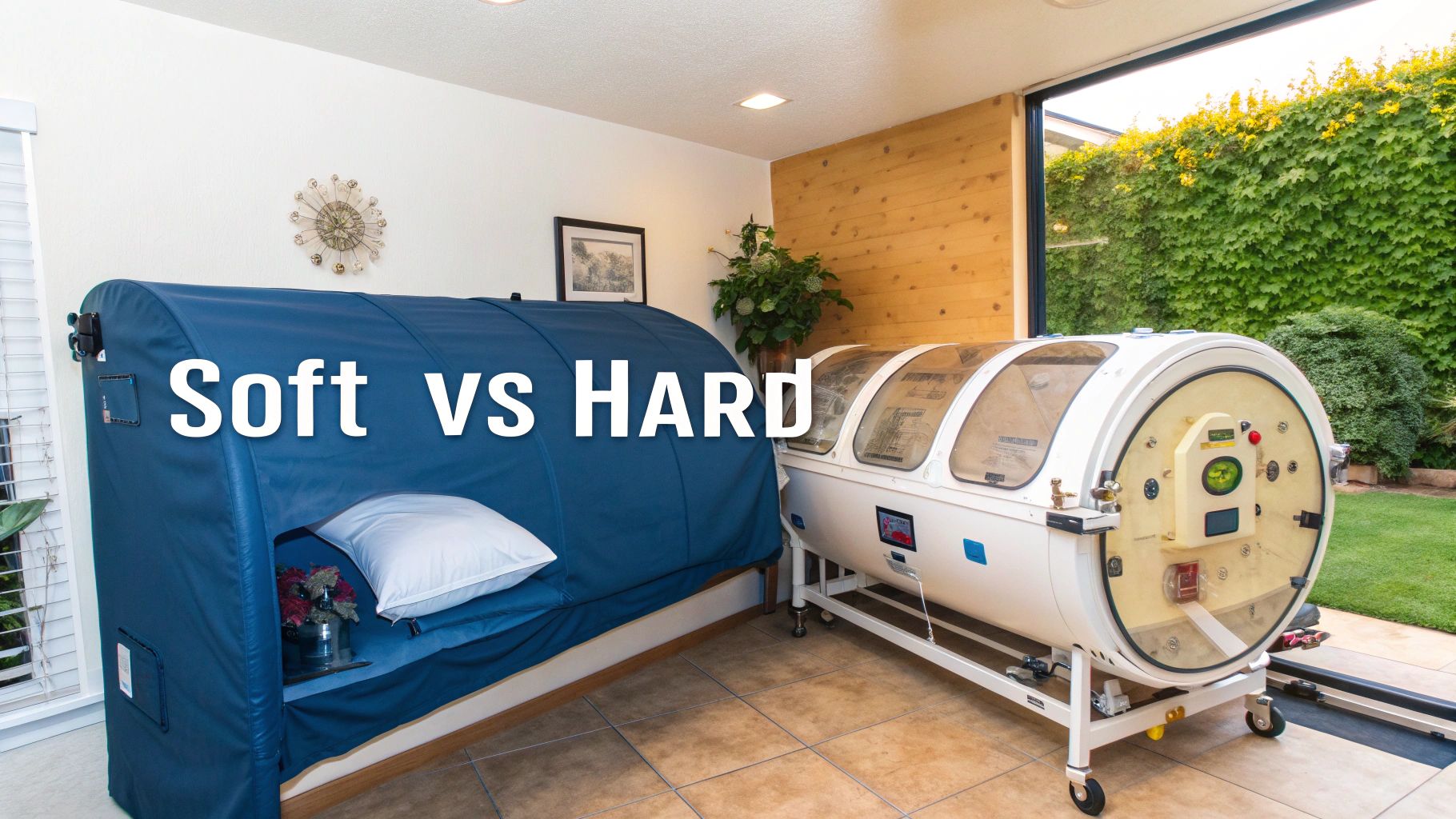
| Feature | Soft Chamber | Hard Chamber |
|---|---|---|
| Comfort | Plush inflatable walls, lower pressure (up to 1.5 ATA) | Firm steel shell delivers up to 2.0 ATA |
| Portability | Weighs 20–50 lbs, easy to fold and stow | Weighs 330 lbs, static installation |
| Setup Time | 5–10 minutes | 1–2 hours for pressurization system |
| Noise Level | Gentle hum | Steady hiss and motor whir |
| Maintenance | Swap out zipper seals, light cleaning, filter replacement. | Routine safety inspections, valve inspection, filter replacement |
| Pressure Range | 1.2–1.5 ATA | 1.5–2.0 ATA |
| Clinical Approval | Not FDA-approved for medical claims | Internationally accepted certifications for HBOT |
| Typical Use Case | Biohacking, general wellness | Fitness enthusiasts, athletes, MedSpa clinics |
Soft Chamber Advantages And Drawbacks
Soft chambers shine when you need speed and simplicity.
- Quick setup for post-workout cooldowns.
- Inflatable walls feel cozy, ideal for home recovery.
- Some of our soft chambers can achieve at 2.0 ATA, best for light recovery.
“I can slip my soft chamber into the corner of my home studio and hop in right after training,” says one biohacker.
Hard Chamber Advantages And Limitations
Hard chambers ramp up to 2.0 ATA without breaking a sweat.
- Internationally accepted certification for advanced uses.
- Durable steel construction.
- Requires dedicated space for semi-permanent installation.
Choosing The Right Chamber For You
Balance space, budget, and treatment goals.
- Home Biohackers: soft units for portability.
- Serious Athletes: hard chambers for higher pressure.
- Medical Clinics: certified hard shells.
For full protocols and expert insights, head over to the MedEq Wellness Journal.
Evidence Based Benefits For Recovery And Healing
At 2.5 ATA, studies show a 40% drop in muscle soreness. Cardiac rehab folks on 1.5–2.0 ATA sessions see a 20% lift in HRV.
- 40% reduction in soreness at 2.5 ATA
- 20% boost in HRV with 1.5–2.0 ATA
- 15% increase in sleep efficiency in two weeks
- 30% faster wound closure at 2.0 ATA
Outcomes Of Hyperbaric Protocols
| Protocol | Pressure (ATA) | Session Length | Key Outcome |
|---|---|---|---|
| Athletic Recovery | 2.0 | 60 min | 40% reduction in soreness |
| Cardiac Rehabilitation | 1.5–2.0 | 90 min | 20% increase in HRV |
| Sleep Enhancement | 1.5 | 45 min | 15% boost in sleep efficiency |
| Surgical Wound Healing | 2.0 | 60–90 min | 30% faster tissue repair |
Athlete Versus Rehab Strategies
- Athletes: 5–7 sessions/week at higher pressures
- Rehab: 3–5 sessions/week with intermittent breaks
One runner shaved 25% off recovery by switching to 2.5 ATA treatments.
Clinical Evidence And Safety
HBOT is backed by trials for carbon monoxide poisoning and decompression illness. Patients at 2.0 ATA see fewer neurological effects. Chronic fatigue sufferers report less inflammation and faster cellular repair.
Check our athlete guide at https://medeqfitness.com/blogs/medeq-wellness-journal/hyperbaric-chamber-benefits-for-athletes.
Sleep And Wellness Gains
Pre-bed HBOT can reset your circadian clock:
- 12–18% drop in nighttime awakenings
- Combine with light therapy or mindfulness
Synergy With Contrast Therapy
Alternating HBOT with cold plunges kicks your vascular system into overdrive:
- Vasoconstriction then deep vasodilation
- 25% faster drop in delayed-onset soreness
- 35% faster full recovery with daily cycles
Surgical Recovery Metrics
Skin graft and joint replacement patients at 2.0 ATA for 75–90 minutes, five days a week see:
- 30% faster wound closure
- 20% lower infection rates
- 1.5 days shorter hospital stays
Safety Measures And User Protocols
Most people feel a gentle ear squeeze as pressure rises—like an airplane descent. Use swallowing, yawning, or a Valsalva maneuver to equalize pressure. Sessions include air breaks every 30–45 minutes to prevent oxygen toxicity.
Engineering Safeguards
- Pressure Relief Valves
- Gas Monitors
- Fire-Safe Designs
“Safety, physiology, and engineering constraints define modern hyperbaric practice, with serious adverse events in low single-digit percentages.” Read more on NCBI.
Pre Use Checklist
- Inspect seals and zippers.
- Confirm gauge reads 0 ATA.
- Verify oxygen monitors.
- Check intercom function.
- Set regulators for planned cycling.
| Pressure (ATA) | Max Duration (Min) | Risk Level |
|---|---|---|
| 1.5 | 90 | Low |
| 2.0 | 60 | Moderate |
Always consult a qualified practitioner if you have COPD, heart disease, or a history of pneumothorax.
Choosing Home And Clinic Hyperbaric Chambers
Assessing Space And Noise Tolerance
- Space Footprint: Hard units need 50+ sq ft. Soft units fold away.
- Noise Output: 30 dB (soft) vs. 40 dB (hard).
Comparing Home And Clinic Costs
| Factor | Soft Chamber | Hard Chamber |
|---|---|---|
| Upfront Cost | $8,000–$12,000 | $15,000–$60,000 |
| Maintenance (Annual) | $50 | $50-100 |
| Warranty | 1–2 years | 2 years + service |
| Installation | DIY Set Up | DIY Set Up |
Infographic And Safety Checkpoints
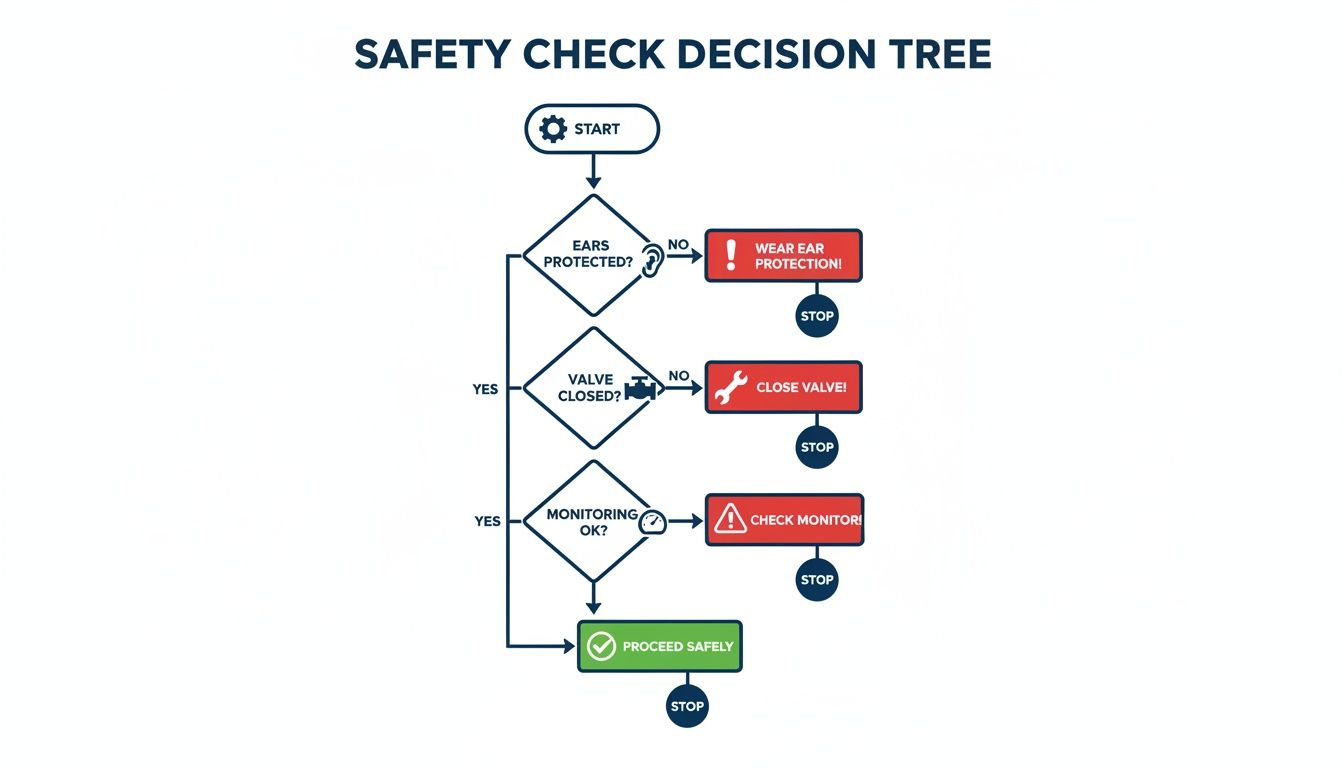
Choosing Based On User Scenario
- Weekend Warrior: Soft chamber tucks away easily.
- Professional Athlete: Hard-shell at 2.0 ATA for deep recovery.
- Medical Clinic: FDA-certified steel vessels for daily patient care.
For a deeper dive, see our best hyperbaric chamber for home use.
FAQ
What Conditions Benefit Most From HBOT?
- Diabetic foot ulcers: 30% faster closure
- Radiation tissue damage: 75% report relief
- Decompression sickness: 100% resolution
- Stroke/TBI: 10% cognitive boost
- Chronic fatigue: 20% daily energy lift
How Many Sessions Are Needed For Optimal Recovery?
Typically 20–40 sessions over 4–8 weeks.
- Athletes at 2.0 ATA: five sessions/week
- Wound care at 1.5 ATA: ≥40 treatments
For protocols and case studies, visit our wellness journal.
Improving Sleep And HRV
Pre-bed HBOT can increase HRV by up to 20%, cutting night awakenings by 15%.
Maintenance And Safety Checks
- Inspect seals and zippers before each use.
- Calibrate gauges annually.
- Clean with manufacturer-approved wipes.
“Routine maintenance cuts unexpected downtime by 25%.”
Ready to elevate your recovery routine? Explore the full line of hyperbaric chambers at MedEq Fitness: https://www.medeqfitness.com/blogs/medeq-wellness-journal